
Managing Life's Changes
“Identifying Your Intangible Assets in Producing Your Tangible Results”
The Art & Science of Saving Lives
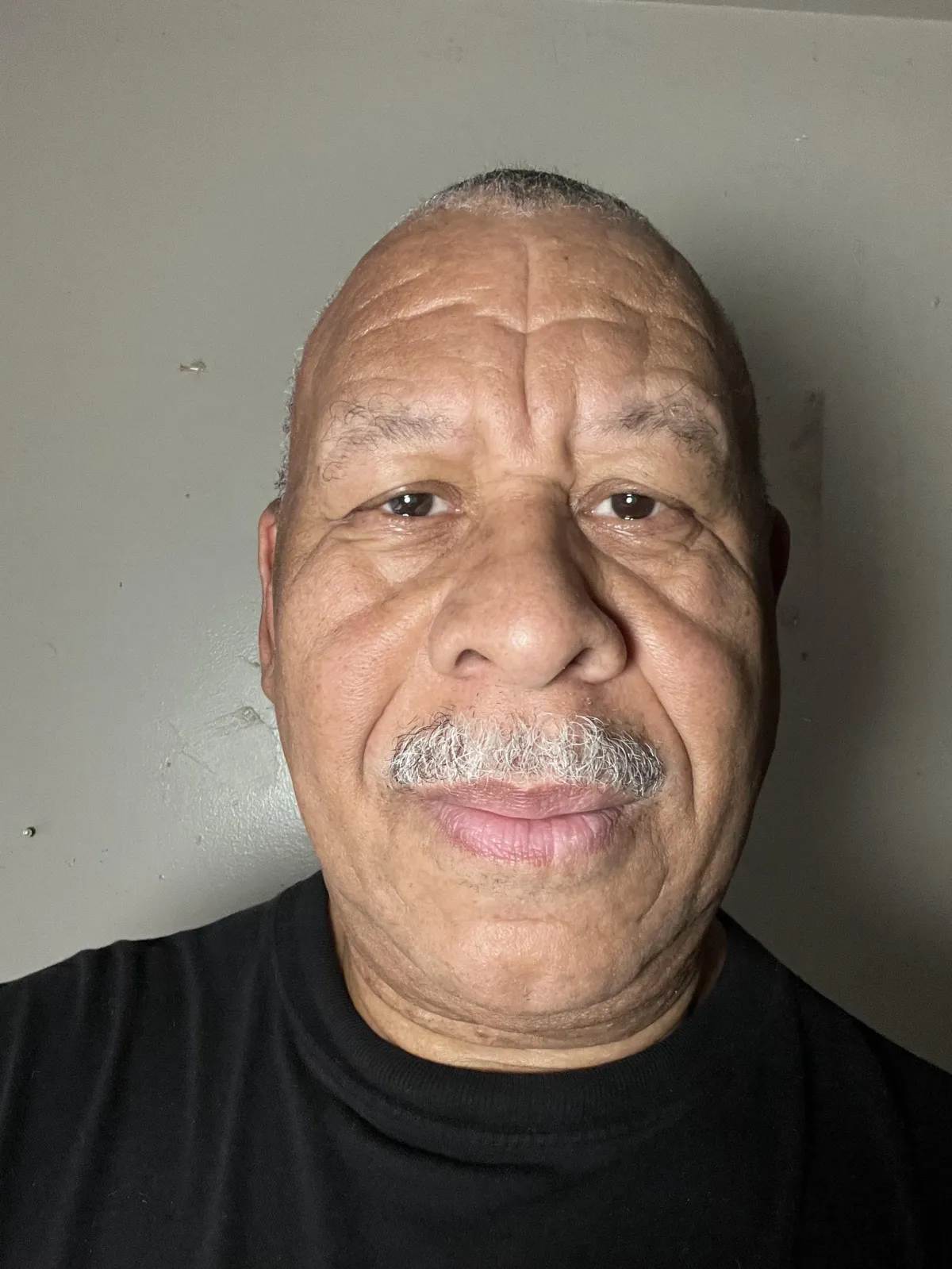
As a dedicated Life Coach, Keynote Speaker, and American Red Cross Authorized Instructor helping people and organizations confidently manage life’s changes. With over 30 years of experience, I blend my Life Coaching, in person and online training, with a life perspective to inspira those who are going through life's challenges in 'The Art and Science of Saving Lives.
My passion for Nature’s Best – Animals has taught me the benefits of emotional maturity and humanity towards others. My studies of Solution-Focused Brief Therapy reflect my lifelong mission to empower purposeful, resilient living.
Reach me today for a better understanding and sustainable approach to your tomorrows.
Call-to-Action Buttons
🟦 Explore Coaching 🟥 View Training Courses. 🟩 Book Ronald to Speak








This is a Paragraph Font
This is a Paragraph Font
Books


The links among our Mental and Emotional Maturity, the 13+ Systems of the Human Anatomy and how we Interpret and Translate Life's Changes.ost
The links among our Mental and Emotional Maturity, the 13+ Systems of the Human Anatomy and how we Interpret and Translate Life's Changes.
Communicating Comprehensively.
Unexpected and unwanted life changes trigger acute psychological stress response in our bodies. Once activated they cause widespread physiological changes across the human anatomy due to the secretion of hormones, enzymes, neurotransmitters, and exocrine fluids.
Can we learn to harness these assets to better manage our state short term and the impact such change will have on or lives long term?
From a Life Coach’s perspective I believe it is important to recognize these effects on the human body and have a conversation that embraces the reality of their effects on us as evolving beings. From a First Aid learner standpoint, acknowledging the bio feedback personally experienced in my life and that of the students who share their experiences and needs for such learning, these studies aid in the manner we communicate with ourselves (self talk) and the client/patient, (calm, assuring, familiar with…) in order to optimize the best possible outcome. Our ability to develop our own competency and resilience is key in addressing such situations as traumatic shock or occupational stress, where recognizing maladaptive changes in vital systems is critical to preventing long-term systemic injury.
[1] (https://edhub.ama-assn.org/steps-forward/module/2779767),
[2] (https://www.youtube.com/watch?v=wgTiGDaQals),
[3] (https://www.med.unc.edu/pharm/wp-content/uploads/sites/930/2022/01/Stress_first_aid.pdf)]
Unexpected economic shifts most directly impact the following body systems:
1. Primary Systems Activated (Immediate Stress Response)
Nervous System: The "fight-or-flight" response triggers the sympathetic nervous system to release adrenaline and noradrenaline, heavily impairing rational decision-making centers like the prefrontal cortex.
Endocrine System: Hypothalamic-pituitary-adrenal (HPA) axis activation dumps cortisol and catecholamines into the bloodstream, increasing blood pressure and blood sugar, which can escalate into severe anxiety or panic attacks.
Cardiovascular System: Vasoconstriction and elevated heart rate redirect blood to major muscles, leaving extremities cold. This can cause tachycardia or hypertensive crises, mimicking heart conditions. [1](https://www.unh.edu/pacs/panic-understanding-bodys-response-stress), [2](https://www.tiktok.com/@instituteofhumananatomy/video/7542590997293714718),
[3](https://www.youtube.com/watch?v=wgTiGDaQals)Secondary Systems Affected (Somatic Stress Manifestations)
Digestive & Gastrointestinal System: Digestion temporarily halts to conserve energy. Over time, this leads to dry mouth, nausea, loss of appetite, bloating, and stress-induced gastric ulcers.
Musculoskeletal System: Muscles tense to prepare for physical threat, resulting in chronic tension, headaches, and localized soreness (particularly in the neck and shoulders).
Integumentary System: Activated sweat glands and redirected blood flow cause cold, clammy, or pale skin—classic physical symptoms indicating shock. [1](https://www.unh.edu/pacs/panic-understanding-bodys-response-stress), [2](https://www.fryemedctr.com/health-resources/posts/2026/03/19/signs-of-stress-that-affect-your-physical-health)
Long-Term / Systemic Impacts
Immune System: Prolonged, chronic release of cortisol suppresses immune function, making the body highly susceptible to infection and illness.
Respiratory System: Airways dilate to rapidly increase oxygen intake. Under acute panic, this can manifest as hyperventilation. [1](https://www.unh.edu/pacs/panic-understanding-bodys-response-stress)
First Aid Protocol (Stress First Aid)
Because economic strain causes both psychological distress and somatic (body) symptoms, intervention focuses on the [Stress First Aid (SFA)
(https://www.ptsd.va.gov/professional/treat/type/stress_first_aid.asp) model.
First aid steps mirror standard trauma protocols:
[1] (https://edhub.ama-assn.org/steps-forward/module/2779767)
Cover/Safety: Ensure the individual feels physically and psychologically safe in the moment.
Calm: Elicit the relaxation response. Note: Applying ice or cold water to the face is a physical first-aid intervention that can rapidly slow down heart rate and settle escalating distress.
Connect: Link the person with immediate social supports.
Competence: Help the person regain a sense of self-efficacy to handle their situation.
Confidence: Help restore hope for the future. [[1](https://www.health.harvard.edu/healthy-aging-and-longevity/understanding-the-stress-response), [2](https://www.med.unc.edu/pharm/wp-content/uploads/sites/930/2022/01/Stress_first_aid.pdf), [3](https://medicalstaff.islandhealth.ca/sites/default/files/covid-19/stress-first-aid-model-handout.pdf)
RESOURCES:
If an individual is experiencing an acute crisis with these symptoms, utilize local or national immediate resources like the Veterans Crisis Line (988) or standard community health services to coordinate professional help.
[1] (https://www.ptsd.va.gov/professional/treat/type/stress_first_aid.asp),
[2] (https://www.med.unc.edu/pharm/wp-content/uploads/sites/930/2022/01/Stress_first_aid.pdf)
Along with the tenants of Solution Focused Brief Therapy and the use of the 101 Questions, my intent, my aim is to work with people who are looking to manage life's changes by better understanding how the 13+ systems of the human anatomy plays such a crucial roll, living food feeds our ability to think and work intensely along with our mental, emotional and social teachings providing us a compass from which to make rational decisions.
Thank you for taking your time to read my article.
Download our complimentary 13 Actionable Steps to Engage Change Successfully
and subscribe to Ronald’s Blogs here

Your Journey to Better Health Starts Today
Understanding how your body works and exploring how you can recognize the benefits allows you to manage life's changes. Consider this, your body creates its own chemicals that dictate your emotional state. Now consider your ability to manage your emotions by regulating your chemical balance from within? You deserve to feel your best, and we’re here to make it happen, one day at a time.
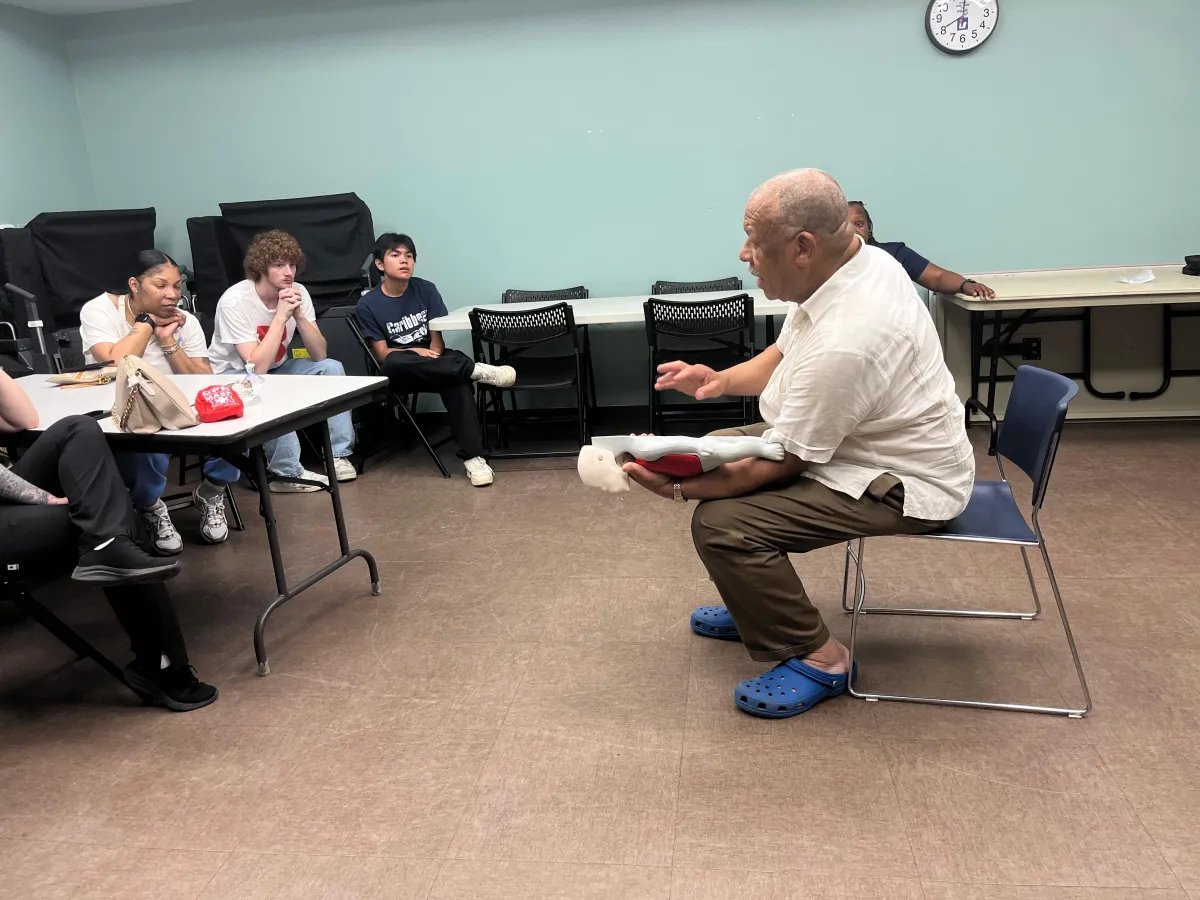
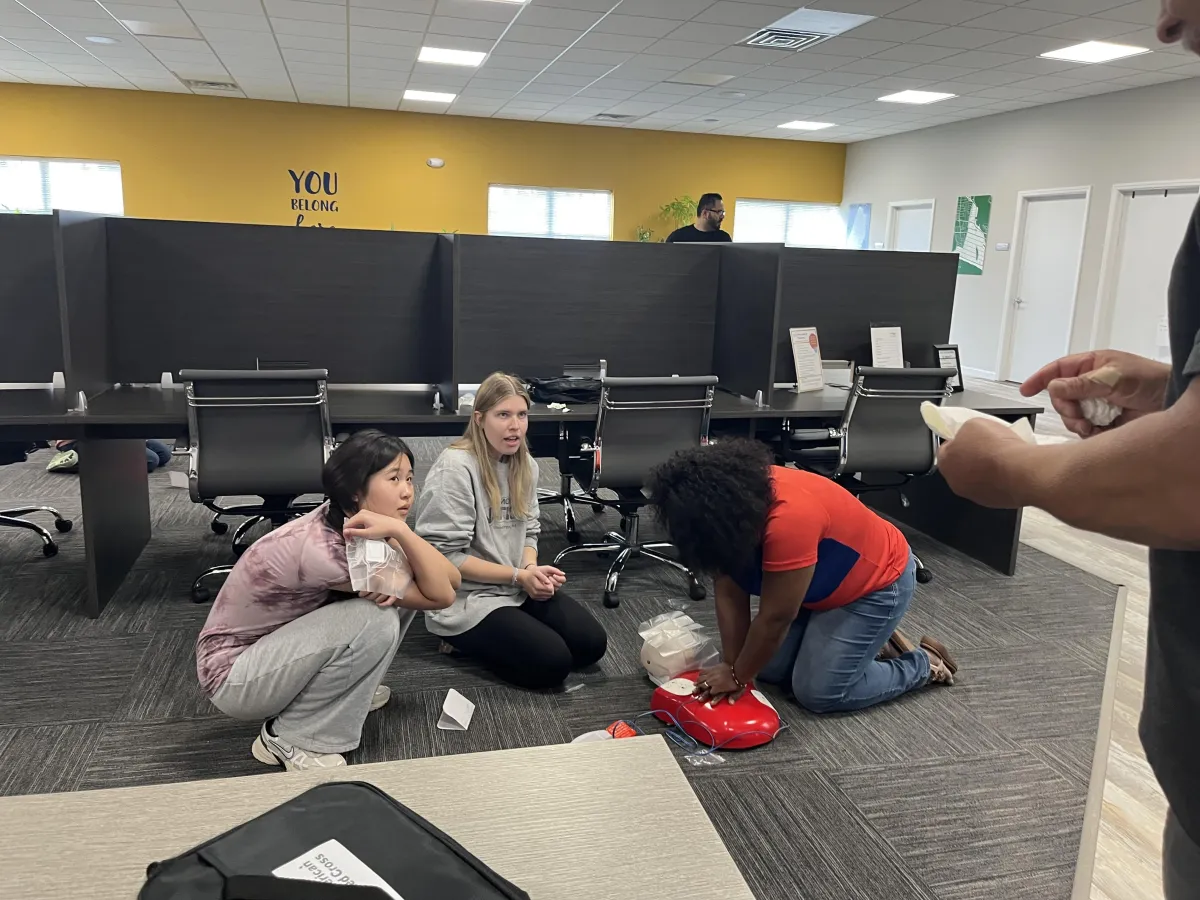
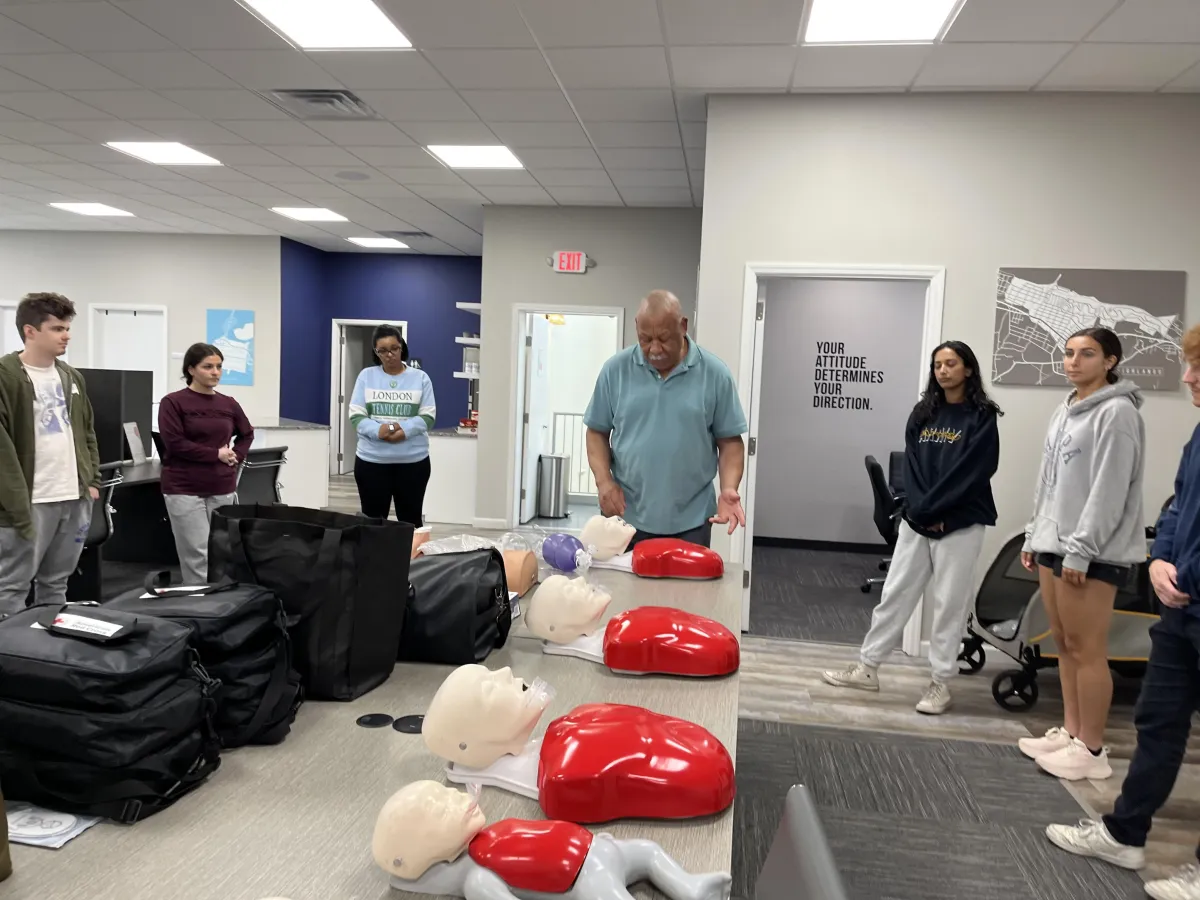



We’re dedicated to the Art & Science of Saving Lives by understanding how the 13 systems of the human body support your wellbeing.
Quick Links
Resources
Connect With Us
© New Jersey. 2025 All Rights Reserved Privacy Policy Terms of Service