
Managing Life's Changes
“Identifying Your Intangible Assets in Producing Your Tangible Results”
The Art & Science of Saving Lives
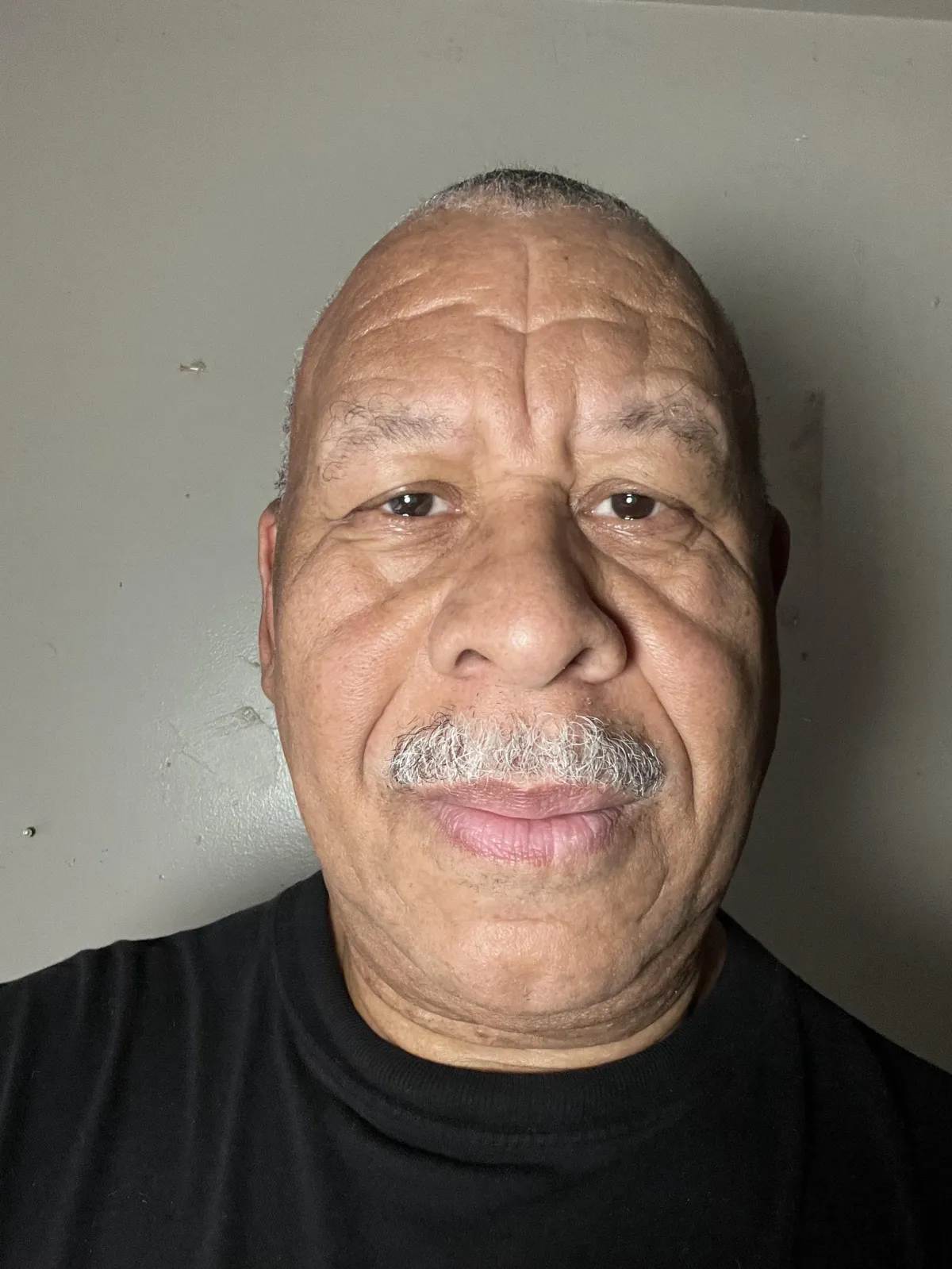
As a dedicated Life Coach, Keynote Speaker, and American Red Cross Authorized Instructor helping people and organizations confidently manage life’s changes. With over 30 years of experience, I blend my Life Coaching, in person and online training, with a life perspective to inspira those who are going through life's challenges in 'The Art and Science of Saving Lives.
My passion for Nature’s Best – Animals has taught me the benefits of emotional maturity and humanity towards others. My studies of Solution-Focused Brief Therapy reflect my lifelong mission to empower purposeful, resilient living.
Reach me today for a better understanding and sustainable approach to your tomorrows.
Call-to-Action Buttons
🟦 Explore Coaching 🟥 View Training Courses. 🟩 Book Ronald to Speak








This is a Paragraph Font
This is a Paragraph Font
Books

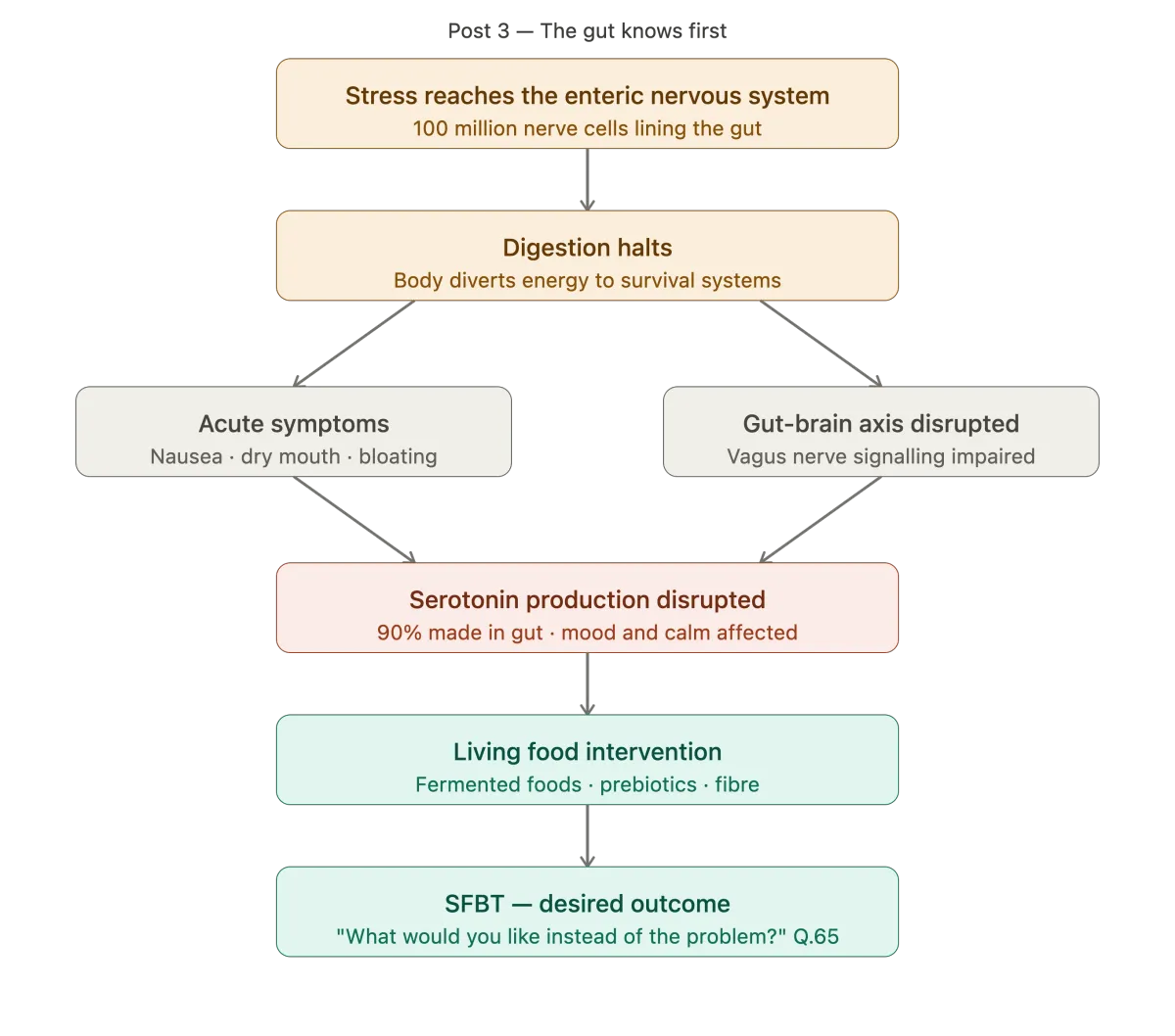
The Gut Knows First: Digestion, Disruption, and Your Second Brain
A Fresh Perspective in understanding our emotions.
The Art & Science in Saving Lives
Have you ever had a "gut feeling" before your mind caught up?
There's a reason for that. The enteric nervous system — often called the "second brain" — lines
your gastrointestinal tract with over 100 million nerve cells. It communicates bidirectionally with
your brain via the vagus nerve. When life is disrupted, this system is not a bystander.
Under acute stress, digestion pauses. The body decides that digesting your lunch is less urgent
than surviving a threat. Over time, if the stress persists, this manifests as dry mouth, nausea,
loss of appetite, bloating, irritable bowel symptoms, and in serious cases, stress-induced gastric
ulcers.
The gut is also where roughly 90% of the body's serotonin is produced — the very
neurotransmitter central to mood regulation. A disrupted gut is a disrupted emotional landscape.
This is why the food we eat during hard times matters so much more than we typically
acknowledge. It's not comfort — it's chemistry.
The SFBT Lens: "What would you like to experience instead of the problem?" (Question 65)
Not "how do we fix the gut" — but what does a well-nourished, settled body feel like to you, and
when have you been there?
Living Food Connection: Fermented living foods — kefir, kimchi, sauerkraut, kombucha —
directly seed the gut microbiome with beneficial bacteria. Prebiotic fibers from bananas, oats,
and garlic feed existing bacteria. A flourishing microbiome is directly correlated with lower
anxiety and improved emotional resilience.
Your Question to Sit With: "When has the problem diminished or become less intense — and
what role did you play in that?" (Questions 67–68)
Thank you for taking your time to read my article.
Download our complimentary 13 Actionable Steps to Engage Change Successfully
and subscribe to Ronald’s Blogs


Your Journey to Better Health Starts Today
Understanding how your body works and exploring how you can recognize the benefits allows you to manage life's changes. Consider this, your body creates its own chemicals that dictate your emotional state. Now consider your ability to manage your emotions by regulating your chemical balance from within? You deserve to feel your best, and we’re here to make it happen, one day at a time.
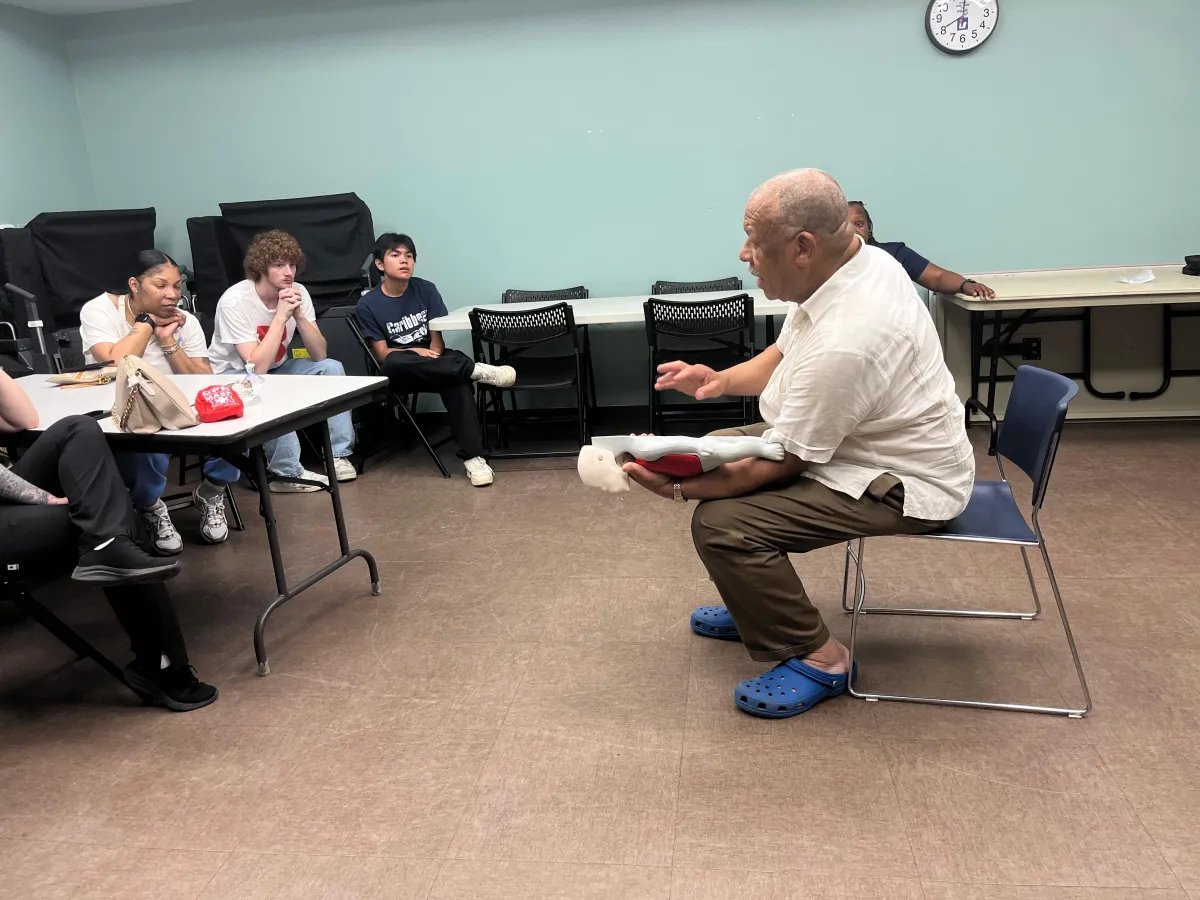
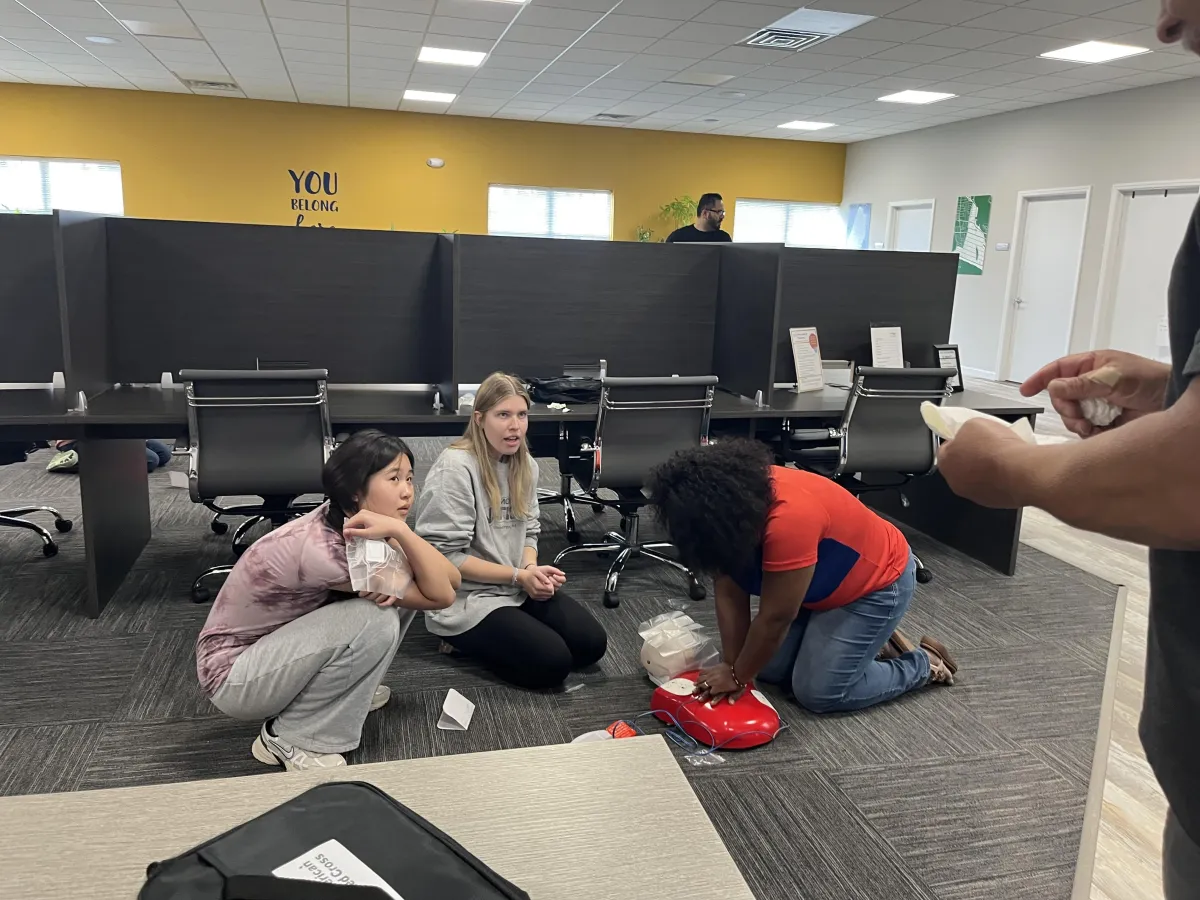
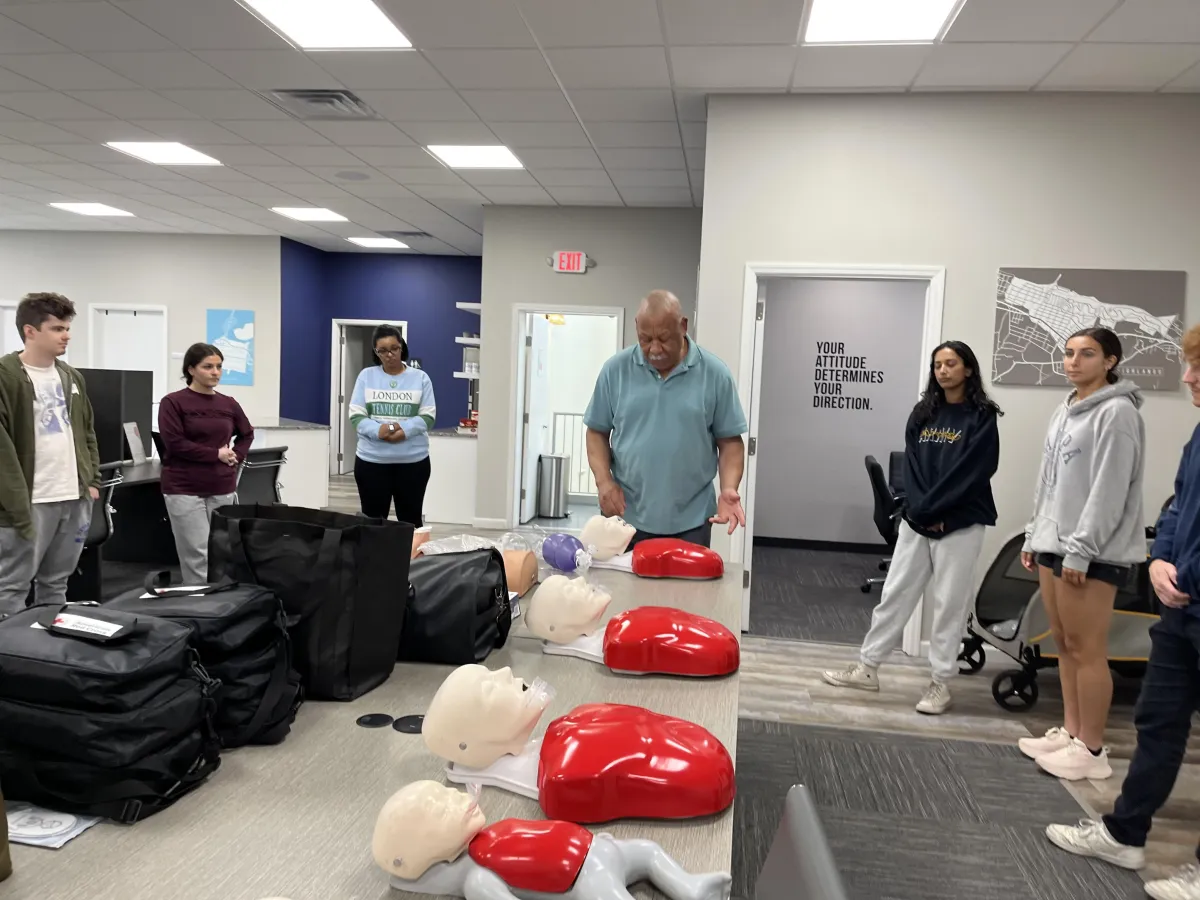




We’re dedicated to the Art & Science of Saving Lives by understanding how the 13 systems of the human body support your wellbeing.
Quick Links
Resources
Connect With Us
© New Jersey. 2025 All Rights Reserved Privacy Policy Terms of Service